Natural Nutrition & Botanical Knowledge

Educational exploration of plant-based compounds and men's wellness—Swiss perspectives on vitality

Educational content only. No promises of outcomes.
Foundation

Age-Related Nutritional Shifts After 40

Biological and biochemical changes in men's bodies as they age involve shifts in nutrient metabolism, absorption patterns, and energy utilization. Understanding these changes from a scientific perspective helps explain why dietary composition becomes increasingly relevant across the lifespan.

Research in gerontology and nutritional science demonstrates that metabolic efficiency, hormonal signaling, and cellular energy production evolve with age. These natural transitions are not pathological states but rather expected physiological progressions that modern nutrition science helps contextualize.

A comprehensive approach to diet in midlife and beyond considers how whole foods, plant-derived compounds, and micronutrient density support the body's ongoing metabolic requirements without making false promises about reversing aging or treating medical conditions.

Botanical Compounds

Prominent Natural Compounds & Plant Sources

Plant-derived compounds—phytosterols, alkaloids, polysaccharides, and other classes of phytonutrients—have been studied extensively for their roles in supporting general metabolic function. The following grid presents informational descriptions of botanicals recognized in traditional European systems and modern nutritional research:

Ginseng root specimen

Ginseng

Traditionally used in Asian and Alpine herbal systems, ginseng contains ginsenosides and polysaccharides studied for their roles in energy metabolism and adaptive physiology.

Fenugreek seeds close-up

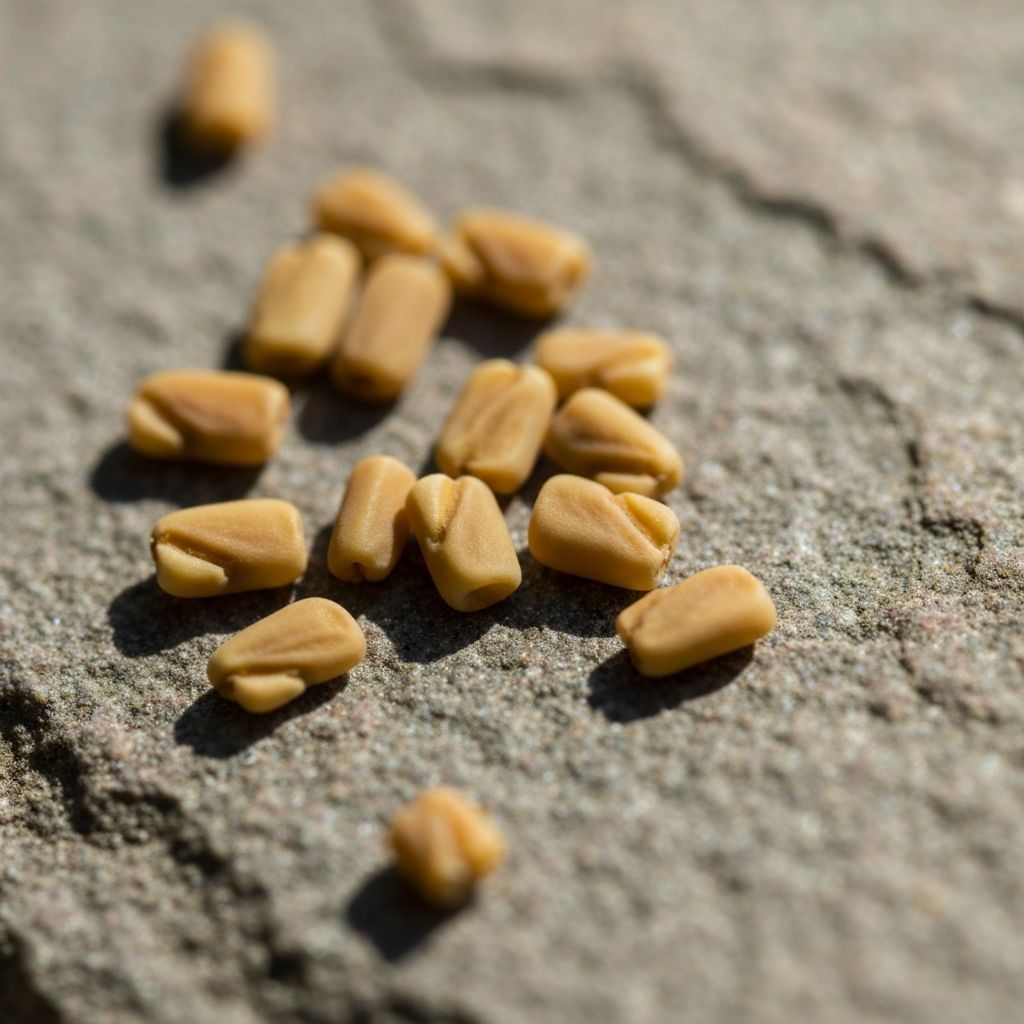
Fenugreek

A Mediterranean and Asian herb with seeds rich in saponins and mucilaginous compounds, historically valued in traditional nutrition systems for supporting metabolic processes.

Alpine wild herbs

Alpine Herbs

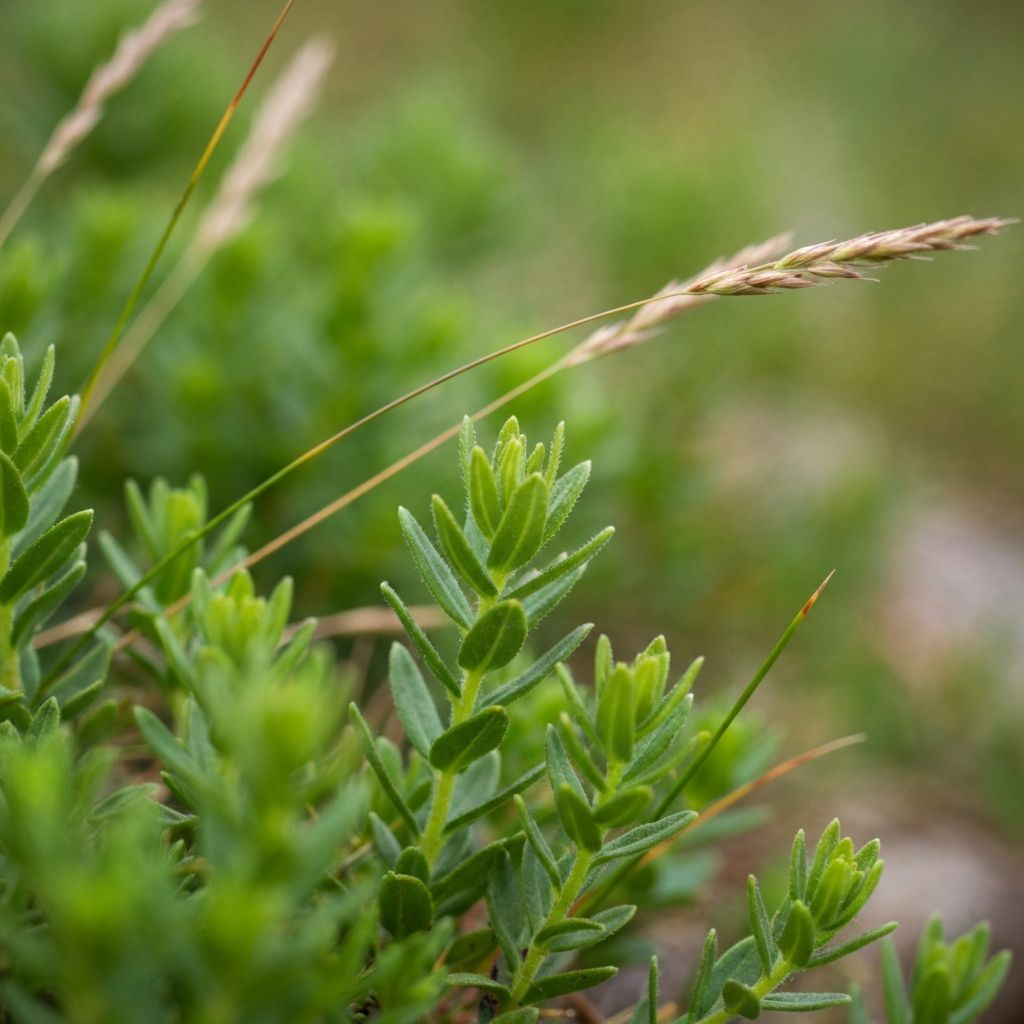
Mountain regions yield botanicals like arnica, calendula, and silverweed, traditionally integrated into Alpine wellness practices for their diverse phytochemical profiles.

Nutritional Science

Essential Micronutrient Sources from Plants

The following table highlights key vitamins, minerals, and cofactors relevant to general wellness and metabolic support, organized by plant-based dietary sources:

Micronutrient Plant Sources Metabolic Role (Informational)
Zinc Pumpkin seeds, legumes, nuts, whole grains Cofactor for enzyme systems; immune function; protein synthesis
Magnesium Spinach, almonds, pumpkin seeds, dark leafy greens Energy production; muscle function; neurotransmitter synthesis
Iron Lentils, chickpeas, fortified grains, leafy greens Oxygen transport; electron transfer in metabolic pathways
Selenium Brazil nuts, sunflower seeds, legumes, whole grains Component of selenoproteins; antioxidant enzyme function
Vitamin E Almonds, sunflower seeds, olive oil, leafy greens Antioxidant; protects cellular membranes from oxidative stress
B Vitamins Whole grains, legumes, nutritional yeast, leafy greens Energy metabolism; nervous system function; DNA synthesis
European Tradition

Swiss Botanical Legacy & Alpine Herbalism

The Alpine regions of Switzerland and surrounding areas have maintained a rich tradition of plant-based knowledge spanning centuries. Historical documents, herbals, and ethnobotanical records demonstrate how mountain communities integrated local flora into daily wellness practices.

Traditional Alpine herbalism reflects a synthesis of folk knowledge, monastic herbal records, and early pharmacological observation. While these practices are historically significant, they should be understood through an educational lens that acknowledges both the cultural value of traditional knowledge and the importance of contemporary scientific validation.

Alpine herbal meadow landscape

Historical Context

Medieval Swiss monasteries cultivated physic gardens and documented herbal preparations. The 16th–18th centuries saw the development of comprehensive herbal compendiums reflecting Alpine botanical knowledge.

Modern ethnobotanical research has studied these historical practices, contextualizing them within both cultural heritage and contemporary nutritional science. Understanding the history of plant use enriches our perspective on natural compounds without replacing scientific rigor.

Lifestyle & Context

Environmental & Lifestyle Factors in General Wellness

While botanical compounds and nutrient composition are important considerations, the broader context of daily life—sleep patterns, physical activity, stress management, and environmental exposure—significantly influences overall physiological function and energy levels.

Alpine environments, characterized by fresh air, altitude exposure, natural light cycles, and seasonal variation, have historically been associated with wellness retreats and lifestyle restorative practices. Modern research supports the concept that environmental factors, circadian rhythm alignment, and regular movement contribute substantially to metabolic health.

A holistic educational perspective acknowledges that nutrition is one component of a larger system involving sleep, activity, mental state, and environmental interaction. No single dietary element can compensate for deficiencies in other lifestyle domains.

Research & Evidence

Study Highlights & Scientific Context

Peer-reviewed nutritional science continues to examine plant compounds, micronutrient bioavailability, and their roles in metabolic processes. While individual studies provide insights into specific mechanisms, it is important to interpret research within broader systematic reviews and meta-analyses that synthesize evidence across multiple investigations.

Key areas of ongoing research include:

  • Phytochemical bioavailability: How plant compounds are absorbed and metabolized varies by food matrix, preparation method, and individual factors.
  • Nutrient synergy: Interactions between micronutrients and plant compounds in real foods differ from isolated supplements.
  • Aging and metabolism: Longitudinal studies examining how nutritional needs and metabolic efficiency change across the lifespan.
  • Plant-based dietary patterns: Epidemiological research on populations following plant-forward diets and long-term health outcomes.
Critical Thinking

Debunking Common Misconceptions

In discussions of natural compounds and nutrition, several myths and oversimplifications persist. Educational clarity requires addressing these directly:

Myth: "Natural Means Safe"

All substances—natural or synthetic—have dose-response relationships and potential interactions. Safety depends on quantity, preparation, individual health status, and concurrent medications, not merely origin.

Myth: "More is Better"

Excessive intake of any nutrient or phytochemical can produce adverse effects. Optimal nutrition emphasizes balance and moderate, regular consumption within established ranges, not extreme supplementation.

Myth: "One Solution Fits All"

Genetic variation, age, health status, medications, and lifestyle all influence how individuals respond to dietary elements. What supports one person's wellness may be inadequate or inappropriate for another.

Biochemistry

How Botanicals & Plant Compounds Engage Physiology

From an educational standpoint, understanding the mechanisms by which plant-derived compounds influence cellular and metabolic processes deepens scientific literacy without crossing into medical claims.

Plant compounds interact with human physiology through several established pathways:

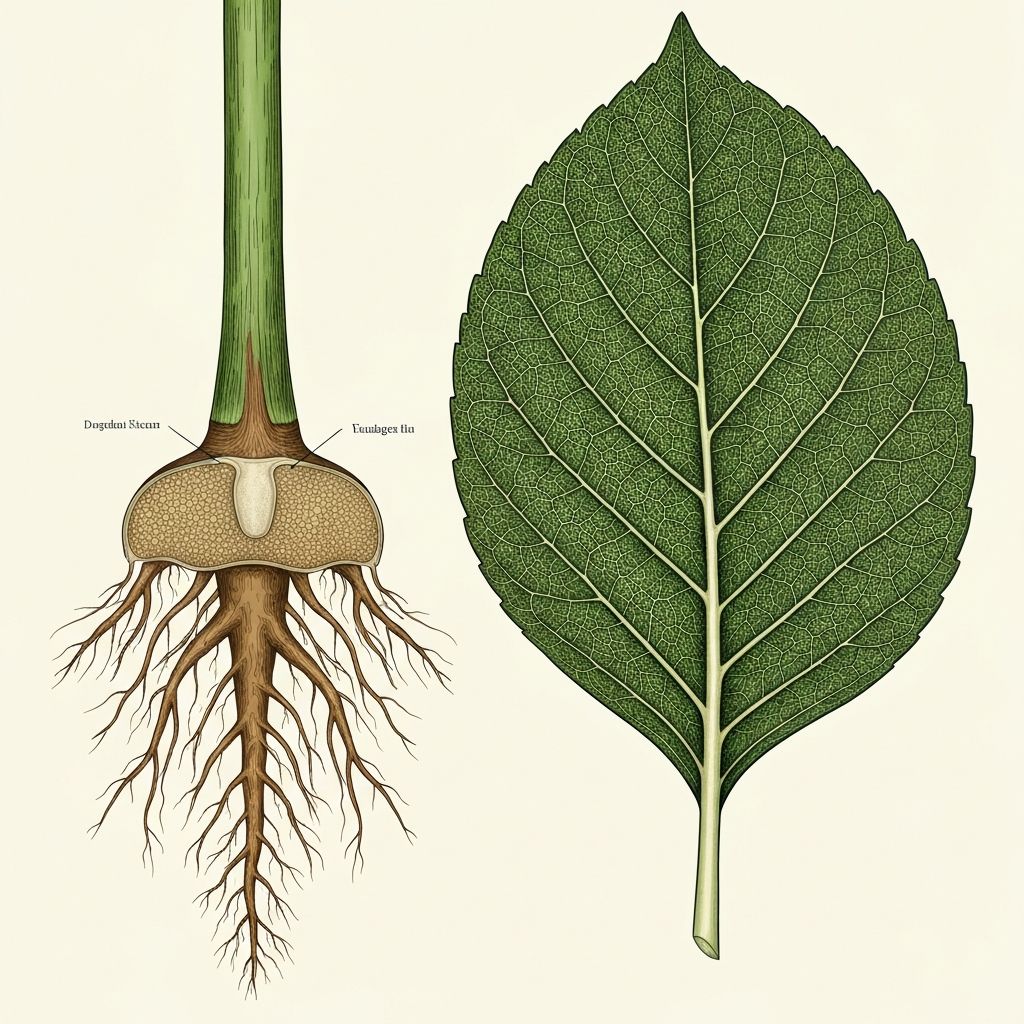
Plant cell and root structure illustration

Cellular Mechanisms

Enzyme cofactors: Minerals derived from plant foods serve as essential cofactors for hundreds of enzymatic reactions in energy production, DNA replication, and protein synthesis.

Antioxidant systems: Plant polyphenols and vitamins participate in redox reactions that support cellular defense mechanisms against oxidative stress.

Signaling molecules: Plant compounds may modulate intracellular signaling pathways that influence gene expression and metabolic regulation—areas of active research.

Microbiome interactions: Fiber and plant-derived compounds serve as substrates for beneficial gut bacteria, influencing microbial diversity and short-chain fatty acid production.

Natural Rhythms

Seasonal & Circadian Alignment with Natural Cycles

Human physiology evolved within environments governed by seasonal variation and circadian (daily) rhythms. Modern science recognizes that alignment with these natural cycles—through light exposure, feeding patterns, activity timing, and seasonal food availability—supports metabolic function.

Seasonal dietary variation, as practiced historically in Alpine and traditional European cultures, reflected food availability while naturally cycling nutrient intake. Contemporary understanding suggests that incorporating seasonal produce may optimize nutrient density and support circadian-aligned eating patterns.

Spring

Leafy greens, fresh herbs, early berries; natural uptick in photoperiod stimulates vitamin D synthesis and activity.

Summer

Peak fruit and vegetable abundance; high light exposure supports circadian entrainment; increased outdoor activity.

Autumn

Root vegetables, seeds, nuts; harvest-based foods rich in minerals and stored carbohydrates; preparation for winter.

Winter

Stored grains, preserved foods, lower light; circadian rhythm shifts support rest and metabolic conservation.

Individualization

Personal Differences in Nutritional Response & Dietary Variability

One of the most important scientific principles in nutrition is individual variation. Genetic polymorphisms, age, sex, health status, microbiome composition, physical activity level, stress state, and medication use all influence how a person responds to dietary elements.

This variability explains why general nutritional principles (adequate plant foods, mineral diversity, whole grains) benefit populations while specific dietary strategies may not suit every individual equally. Educational content must emphasize that nutritional science provides frameworks for healthy eating while acknowledging that personalized dietary choices require individual consideration and, where appropriate, professional guidance.

Learning Resources

Suggested References & Further Reading

For those interested in deeper exploration of plant-based nutrition, botanical science, and nutritional gerontology, the following categories of resources provide evidence-based, peer-reviewed information:

  • Nutritional biochemistry: Biochemistry textbooks and journal articles on nutrient metabolism and metabolic pathways
  • Phytochemistry: Research on plant secondary metabolites and their biological activities
  • Nutritional epidemiology: Large-scale studies examining dietary patterns and health outcomes across populations
  • Ethnobotany: Academic treatments of traditional plant use, cultural perspectives, and historical herb documentation
  • Gerontology: Research on aging physiology and age-related changes in nutrient metabolism
  • Medical databases: PubMed, Google Scholar, and institutional repositories for peer-reviewed publications

Explore the Full Scope of This Resource

Discover in-depth sections on men's wellness considerations, frequently asked questions, and detailed information on this educational platform.